Furniture Types That Cause Bad Posture: Fix Your Setup
Certain types of furniture bad posture experts warn about are sitting in your living room and home office right now. Poor furniture design forces the spine out of its natural alignment, and the damage builds silently over months. Musculoskeletal disorders linked to improper seating are among the most common workplace health complaints in the United States. The furniture you choose, whether a plush sofa, a low coffee table, or a dining chair repurposed as a desk seat, directly shapes how your spine loads and recovers every single day.
1. Types of furniture that cause bad posture
Bad posture is the technical term for any deviation from the spine’s neutral alignment, where the three natural curves of the cervical, thoracic, and lumbar regions are maintained without strain. Furniture that fails to support those curves is the primary driver of postural collapse in sedentary adults. The problem is not laziness. The problem is design.
These are the most common offenders:
- Low coffee tables. A standard coffee table sits at 16–17 inches high. A proper desk sits at 31–32 inches. That gap forces forward trunk flexion, which increases lumbar disc pressure by approximately 40%. Working from a coffee table is not a casual inconvenience. It is a direct load on your lower spine.
- Soft sofas. When cushioning is too plush, your hips sink below your knees. That locks the pelvis into a posterior tilt and flattens the lumbar curve, again increasing lumbar disc pressure by around 40%. The sofa feels comfortable. Your spine disagrees.
- Hard, flat chairs without lumbar support. Flat seat pans distribute weight unevenly across the sit bones, and the absence of a lumbar contour lets the lower back round outward. Chairs lacking lumbar support and correct height force repeated slouching that, over time, becomes a permanent postural pattern.
- Fixed or poorly positioned armrests. Armrests set too high cause shoulder shrugging and trapezius tension. Armrests set too low cause slumping and rotator cuff strain. The optimal elbow angle is 90–100 degrees with shoulders fully relaxed.
- Beds and dining tables used as workstations. Doctors flag the rising incidence of spinal deformities in younger adults who work from these surfaces long term. Neither is designed for sustained seated work, and both promote awkward neck and spinal curves.
Pro Tip: If you can feel your lower back rounding within 10 minutes of sitting down, the furniture is the problem, not your willpower.
2. Ergonomic principles for spotting furniture that harms posture

Ergonomics is not just about comfort. It is a functional requirement involving body alignment and adjustability to maintain productivity and reduce fatigue. Knowing what to look for lets you evaluate any chair, desk, or sofa before your spine pays the price.
Here are the five criteria that matter most:
-
Neutral spine support. The backrest must follow the natural S-curve of the spine. A flat backrest pushes the lumbar region forward into flexion. Neutral posture requires relaxed shoulders, a 90-degree elbow angle, and a neutral wrist position throughout the workday.
-
Seat height and leg clearance. Your feet should rest flat on the floor with knees at roughly 90 degrees. Leg clearance below 18 inches creates a “knee jam” that prevents you from sitting close to your work surface. That forces trunk flexion and neck strain, compounding the load on your cervical spine.
-
Adjustable armrests. Fixed armrests are a red flag. Adjustable armrests that hold your elbows at 90–100 degrees keep the trapezius muscles relaxed and prevent the neck pain that builds from shoulder tension over hours of sitting.
-
Seat firmness. A seat that lets you sink more than an inch or two causes pelvic tilt. Firm, supportive cushioning keeps the pelvis level and the lumbar curve intact. This is why a well-designed office chair outperforms even an expensive sofa for any task lasting more than 30 minutes.
-
Backrest angle and lumbar contour. A slight recline of 100–110 degrees reduces spinal disc pressure compared to sitting bolt upright. The lumbar contour should press gently into the curve of your lower back, not gap away from it.
“Poor furniture design in classrooms and offices can have lifelong consequences on posture, learning, and productivity, making ergonomic selection a critical consideration.”
Pro Tip: Sit in any chair and slide your hand behind your lower back. If there is a large gap between your back and the chair, that seat offers zero lumbar support.
3. Ergonomic furniture alternatives that protect your spine
Switching to better furniture does not require a full office renovation. Targeted upgrades to the pieces you use most make the biggest difference. The benefits of ergonomic office equipment are well documented, and most improvements cost less than a single visit to a physical therapist.
Here are the most effective alternatives and adjustments:
- Ergonomic chairs with adjustable lumbar support. Look for chairs with height adjustment, adjustable armrests, and a contoured lumbar section. These three features address the most common causes of chair-related back pain.
- Desks at the correct height. The recommended desk height is 31–32 inches for most adults. At this height, your elbows rest at 90 degrees without shoulder shrugging, and your screen sits closer to eye level.
- Laptop risers and monitor stands. Tilting the head forward just 60 degrees increases the force on your neck from about 12 pounds to 60 pounds. A monitor stand that raises your screen to eye level eliminates that load entirely.
- Firm lounge chairs for extended sitting. If you spend time reading or watching content, a firm lounge chair with a built-in headrest and lumbar roll beats a soft sofa every time. Your pelvis stays level, and your spine stays supported.
- Dedicated workstations instead of casual surfaces. Replacing a dining table or bed setup with a proper desk and chair is the single highest-return posture investment for remote workers. Read more about bedroom office posture risks if you currently work from your bedroom.
| Furniture type | Posture risk | Better alternative |
|---|---|---|
| Soft sofa | Posterior pelvic tilt, lumbar flattening | Firm lounge chair with lumbar roll |
| Low coffee table | Forward trunk flexion, 40% more disc pressure | Proper desk at 31–32 inches |
| Flat chair, no lumbar support | Slouching, spinal misalignment | Ergonomic chair with lumbar contour |
| Fixed armrest chair | Trapezius tension, neck pain | Chair with height-adjustable armrests |
| Bed or dining table workstation | Awkward spinal curves, neck stress | Dedicated ergonomic workstation |
4. How furniture choices affect long-term spinal health
The damage from poor furniture is cumulative. One afternoon on a soft sofa does not ruin your spine. Three years of it does. Prolonged sofa sitting is directly linked to increased posterior pelvic tilt and worsening low back pain intensity in people with nonspecific chronic low back pain. That is not a minor finding. It means your couch is actively making a pre-existing condition worse every time you settle in.
Forward head posture from improperly sized desks and tables compounds the problem at the top of the spine. When your screen sits too low, your head drifts forward. At a 60-degree forward tilt, the effective weight your neck muscles must support reaches 60 pounds. Over months, that load stretches spinal ligaments and compresses cervical discs in ways that do not reverse easily.
“Ergonomics is not just comfort but a functional necessity involving body alignment and adjustability to maintain productivity and reduce fatigue.”
The effects extend beyond pain. Slouched posture compresses the diaphragm, reducing lung capacity and oxygen intake. Compressed abdominal organs affect digestion. Research on posture and workplace productivity shows that poor seating also reduces mental focus and increases fatigue, cutting into output well before the physical pain becomes obvious.
Pro Tip: Set a phone alarm every 45 minutes as a posture check. Stand, roll your shoulders back, and take three deep breaths. This one habit interrupts the static load cycle that causes most furniture-related spinal damage.
Key takeaways
The types of furniture that cause bad posture share one flaw: they force the spine out of its neutral alignment, and the damage compounds with every hour of use.
| Point | Details |
|---|---|
| Low coffee tables increase disc pressure | Working at 16–17 inches forces trunk flexion and raises lumbar disc pressure by approximately 40%. |
| Soft sofas tilt the pelvis | Excessive cushioning sinks hips below knees, flattening the lumbar curve and worsening back pain. |
| Armrest height is non-negotiable | Elbows must rest at 90–100 degrees to prevent trapezius tension and chronic neck pain. |
| Neutral spine requires adjustable furniture | Height, lumbar support, and armrest adjustability together maintain the spine’s natural S-curve. |
| Long-term effects go beyond pain | Poor posture from bad furniture reduces lung capacity, digestion, and mental focus over time. |
What I’ve learned from years of watching people wreck their backs with “comfortable” furniture
The most common mistake I see is people confusing comfort with support. A sofa that feels incredible for the first 20 minutes is often the worst seat in the house for anything longer. The sink-in feeling is your pelvis tilting and your lumbar curve disappearing. By the time your back starts aching, the damage has already been building for an hour.
The second mistake is treating the home office as a temporary situation. Remote work is not temporary anymore. Working from a dining chair or a bed for months at a time is the same as choosing to develop a chronic injury slowly. Doctors are seeing spinal deformities in younger adults at rates that were not common a decade ago. The work-from-home setup is the direct cause in many of those cases.
You do not need to spend thousands to fix this. A proper desk, an adjustable chair, and a monitor stand cover 80% of the problem. The remaining 20% is habit. Check your posture regularly, take breaks, and stop treating your sofa as a workstation. Your spine will thank you in ways your future self will actually notice.
— Thomas
Habitposture can help you build better posture habits
Your furniture sets the stage, but your habits determine the outcome. Habitposture is built for people who spend long hours at a screen and want real, practical support without the lecture.
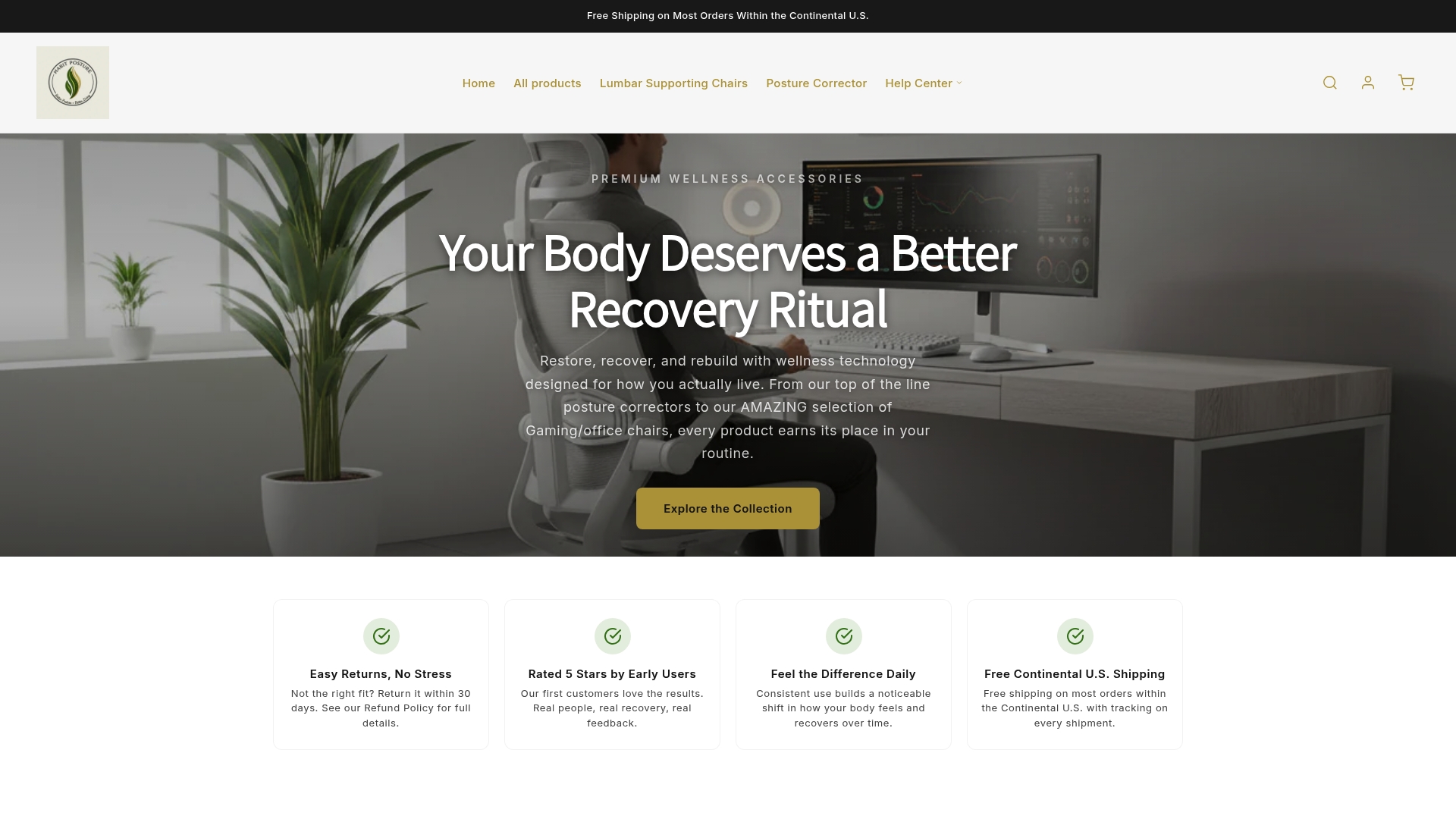
Whether you are adjusting your chair setup for better posture or looking for gear that reinforces good alignment while you work, Habitposture has you covered. The approach is simple: wear it, feel the difference, and let your body relearn what neutral posture feels like. No complicated routines. No expensive overhauls. Just consistent support that works with your real life. Visit Habitposture to find the right solution for your setup.
FAQ
What types of furniture cause bad posture most often?
Soft sofas, low coffee tables, flat chairs without lumbar support, and beds or dining tables used as workstations are the most common culprits. Each forces the spine out of its neutral alignment in a different way.
How does a soft sofa affect your spine?
A soft sofa causes the hips to sink below the knees, locking the pelvis into a posterior tilt and flattening the lumbar curve. This increases lumbar disc pressure by approximately 40% and worsens chronic low back pain with extended use.
What is the correct desk height for good posture?
The recommended desk height is 31–32 inches for most adults. At this height, elbows rest at 90 degrees and the screen sits close enough to eye level to prevent forward head posture.
Can armrests really cause neck pain?
Yes. Armrests set too high cause shoulder shrugging and trapezius tension, while armrests set too low cause slumping. Both lead to neck pain and tension headaches. The optimal elbow angle is 90–100 degrees with fully relaxed shoulders.
How does forward head posture from furniture affect the neck?
Tilting the head forward 60 degrees increases the effective force on the neck from about 12 pounds to 60 pounds. Over time, this stretches spinal ligaments and compresses cervical discs, causing chronic cervical strain.